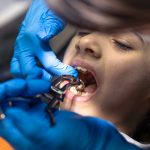

If you just got dental bonding done and your tooth feels tight, pressure, or just a little off — you are not alone. This is one of the most common things patients ask their dentist in Sidney, BC, after a bonding procedure. The good news? Most of the time, it is completely normal. Let’s break down exactly what is happening inside your mouth and what you should do about it.
What Is Dental Bonding?
Dental bonding is a procedure in which a dentist applies a tooth-coloured resin directly to your tooth. This resin is then shaped, hardened with a special light, and polished. Dentists use bonding to fix chipped teeth, close small gaps, cover discoloration, or protect exposed tooth roots.
The whole process is usually quick — sometimes done in under an hour. But just because the procedure is fast does not mean your tooth adjusts instantly.
Why Does the Tooth Feel Tight or Under Pressure?
Here is what most people do not realize — your tooth is a living structure connected to your jawbone through a tissue called the periodontal ligament. When a dentist adds bonding material, even a small amount of extra thickness can change how your upper and lower teeth come together when you bite. This is called your occlusion or bite alignment.
When your bite is even slightly off, the periodontal ligament around that tooth gets stressed. That stress creates the feeling of tightness, soreness, or pressure. Your brain actually picks up on changes as small as a fraction of a millimetre. So even if the bonding looks perfect to the eye, your bite can still feel different.
This dental bonding discomfort is not a sign that something went wrong. It is your tooth and the surrounding tissues responding to a change in pressure and contact.
How Long Does Bonding Discomfort Last?
This is a very common question. For most people, mild tightness or sensitivity goes away within a few days to about two weeks. This is the normal bonding recovery time as your mouth adjusts to the new shape.
However, if the discomfort is sharp, worsens when you chew, or does not improve after a week, it may be a sign that your bite needs adjustment. Do not ignore this. Visit your dental clinic near you as soon as possible.
Can a Dentist Adjust Dental Bonding?
Yes — absolutely. This is actually a very simple fix. A dentist can adjust dental bonding by gently polishing the bonded area with a polishing tool to restore your bite to its correct position. This adjustment usually takes only a few minutes and does not require anesthesia in most cases.
Many patients feel complete relief after just one small adjustment. So if your tooth still feels tight after a week, do not sit with the discomfort — call your dental clinic near you and ask for a bite check.
Other Reasons Your Tooth Might Feel Tight
Besides bite issues, a few other things can cause tightness after bonding:
- Post-procedure sensitivity — The tooth enamel was slightly etched before the resin was applied. This etching can cause temporary sensitivity to hot, cold, or pressure.
- Gum irritation — The gum tissue around the bonded tooth may be mildly inflamed after the procedure.
- Pulpal response — In rare cases, the inner part of the tooth, called the pulp, can become slightly irritated, especially if the bonding was done close to the nerve.
All of these typically resolve on their own within a short time.
Restore Your Smile Using Dental Bonding at Sidney Harbour Dental
At Sidney Harbour Dental, we provide safe, effective dental bonding to repair chipped, cracked, or discoloured teeth. Our team uses tooth-coloured resin to restore the natural appearance of your teeth and enhance your smile. We carefully shape and bond the material to achieve a strong, comfortable result. Our dental bonding treatment is quick, minimally invasive, and helps protect your teeth from further damage.
Schedule an appointment with us at Sidney Harbour Dental today to restore your smile.
FAQ
Is it normal for a bonded tooth to feel tight?
Yes. Mild tightness after dental bonding is normal. It usually means the bite needs a small adjustment or the tooth is responding to the new material.
How long does bonding discomfort last?
Bonding recovery time is usually a few days to two weeks. If it lasts longer, visit your dentist.
Can a dentist adjust dental bonding after it is done?
Yes. A dentist can quickly and easily adjust dental bonding by reshaping the resin to correct the bite.
Should I avoid certain foods after bonding?
Yes. Avoid hard, crunchy, or sticky foods for at least 48 hours after your procedure.
When should I go back to my dental clinic near you?
If tightness, pain, or sensitivity does not improve within 7 to 10 days, book an appointment at your dental clinic near you right away.