Jaw pain, teeth grinding, snoring, and poor sleep can sometimes happen together. This may lead to questions about whether a night guard can help. A dentist in Sidney can check your teeth, jaw, and bite to understand what may be causing these problems. Night guards are mainly used to protect teeth from grinding and clenching, but they are not the same as devices used to treat sleep apnea. Understanding the difference can help you choose the right type of dental appliance and avoid using one that may not address the real problem.
Can Night Guards Help With TMJ Problems?
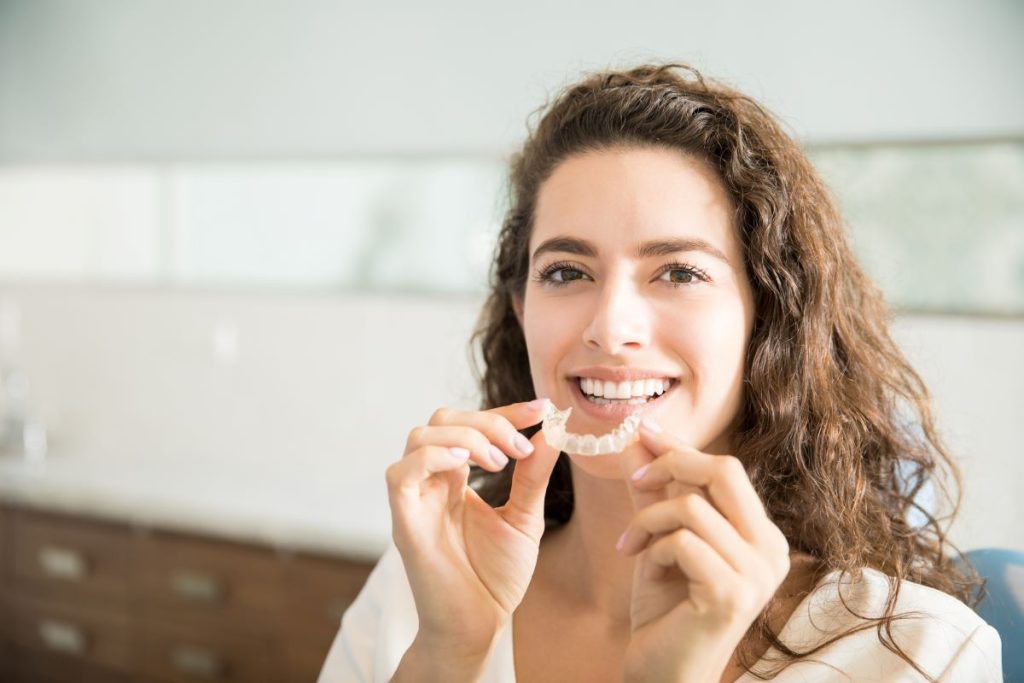
Night guards may help some people with jaw pain linked to teeth grinding or clenching. A guard creates a barrier between the upper and lower teeth, which can reduce direct pressure on the teeth.
For some people, this may also reduce stress on the jaw muscles. However, a night guard does not fix every cause of TMJ problems.
It may be considered when:
- Teeth grinding is causing jaw soreness.
- Clenching is causing tooth wear.
- Jaw muscles feel tired after sleeping.
- Teeth are becoming damaged from grinding.
The right type and fit matter. A poorly fitted guard may feel uncomfortable or may not provide the needed protection.
Are Dental Guards Used for Sleep Apnea?
Dental guards in Sidney are not all designed for sleep apnea. A regular night guard protects the teeth, while a sleep appliance is designed to help keep the airway open during sleep.
Some oral appliances gently move the lower jaw forward. This may help reduce airway blockage in certain people with obstructive sleep apnea.
However, not every person with sleep apnea is a good candidate for this type of appliance. A proper assessment is needed before choosing one.
Can a Night Guard Make Sleep Apnea Worse?
A regular night guard should not be used to treat sleep apnea without professional advice. In some cases, the wrong appliance may not address the airway problem at all.
If snoring, gasping during sleep, morning headaches, or daytime tiredness are present, a dental assessment can help determine whether further sleep testing is needed.
A dentist near you can also explain whether a standard night guard or a sleep-related oral appliance is more suitable.
What Is the Difference Between a Night Guard and a Sleep Apnea Appliance?
Although both are worn during sleep, they have different purposes.
Night guard:
- Protects teeth from grinding and clenching
- Helps reduce tooth wear
- May reduce pressure from grinding
Sleep apnea oral appliance:
- It is designed to help keep the airway open.
- May move the lower jaw or tongue into a better position
- It is used for certain cases of obstructive sleep apnea.
This difference is important because using the wrong type of appliance for the problem may not yield the expected benefit.
When Should You Consider Dental Guards?
Dental guards near you may be worth discussing if grinding or clenching is affecting your teeth or jaw.
Signs that may point to nighttime grinding include:
- Waking with jaw soreness
- Frequent morning headaches
- Worn or chipped teeth
- Tooth sensitivity
- Tight or tired jaw muscles
- A partner is noticing grinding sounds at night.
A dental professional can check for signs of tooth wear and help determine whether a guard may be useful.
Do Night Guards Cure TMJ or Sleep Apnea?
No. A night guard does not cure TMJ problems or sleep apnea.
For TMJ concerns, it may help protect the teeth and, in some cases, reduce the effects of grinding. For sleep apnea, a specially designed oral appliance may help certain patients, but it does not work for everyone.
The cause and severity of the problem should be considered before selecting treatment.
Choosing the Right Appliance for Your Needs!
Night guards can help protect teeth from grinding, while specially designed oral appliances may help some people with obstructive sleep apnea. The two should not be treated as the same type of care.
Book an appointment with Sidney Harbour Dental to discuss your jaw, grinding, or sleep concerns and find out which treatment option may be suitable for you.
FAQs
Can a night guard stop teeth grinding?
A night guard cannot always stop grinding. It can protect the teeth from some of the damage caused by clenching and grinding while sleeping.
Is a night guard the same as a sleep apnea mouthpiece?
No. A regular night guard mainly protects the teeth. A sleep apnea mouthpiece is designed to help keep the airway open during sleep.
Can a night guard help with jaw pain?
It may help when jaw pain is related to nighttime grinding or clenching. Other causes of jaw pain may need different treatment.
Should a dentist fit a sleep apnea appliance?
Yes. Proper fitting is important because the appliance needs to match the teeth, jaw, and treatment needs. Assessment is also important before using one.