Many people feel nervous when their dentist mentions oral surgery. The good news is that oral surgery in Sidney is a common, safe procedure when trained professionals do it.
Understanding what oral surgery involves, which types are most common, and how to prepare helps ease your worry. Whether you need wisdom tooth removal, implant placement, or another procedure, knowing what to expect makes the experience much less stressful. When you visit a dental clinic near you, your dentist can explain your specific procedure and answer any questions you have.
What Is Oral Surgery?
Oral surgery includes any surgical procedure done in or around your mouth, jaw, and nearby areas. These procedures are done by dentists who have special training in surgical techniques.
Oral surgery is performed to:
- Remove teeth that cannot be pulled out normally
- Place dental implants
- Fix jaw problems
- Treat infections
- Remove cysts or growths
- Repair trauma or injury
- Improve how your bite works
Most oral surgery is routine and straightforward when experienced surgeons do it.
Most Common Types of Oral Surgery
Several oral surgery procedures are done regularly at a dental clinic in Sidney.
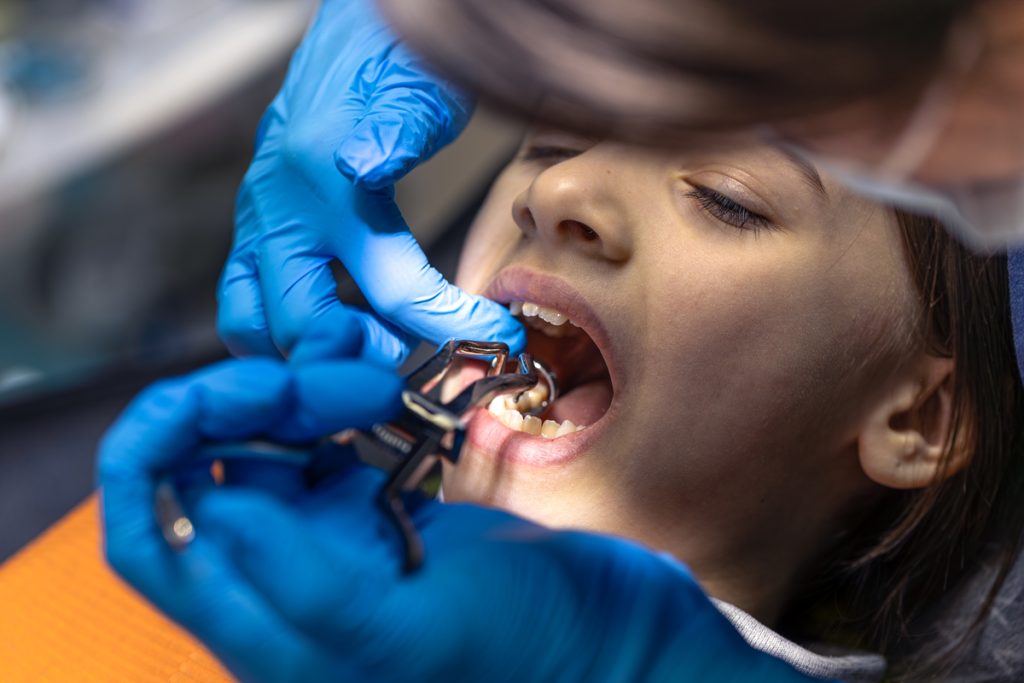
- Wisdom tooth extraction is the most common oral surgery. Wisdom teeth often do not have enough room to grow properly, causing pain, infection, or damage to other teeth. Removing them prevents these problems.
- Tooth extraction for impacted teeth happens when a tooth cannot come through the gum normally. The tooth is stuck under the gum or bone and needs surgical removal.
- Dental implant placement involves surgically putting a small titanium post into your jawbone to support a replacement tooth. This procedure requires precision and skill.
- Bone grafting builds up jaw bone before implant placement. If you do not have enough bone, grafting creates a solid foundation for implants.
- Gum surgery treats serious gum disease by removing infected tissue and reshaping the gum. This procedure saves teeth that would otherwise be lost.
- Jaw surgery fixes bite problems or structural issues. This more complex procedure requires careful planning and expertise.
How to Prepare for Oral Surgery
Proper preparation helps make sure your surgery goes smoothly.
Before your surgery:
- Schedule your procedure with plenty of advance notice
- Have a complete medical check-up
- Tell your surgeon about all medicines you take
- Stop taking blood thinners as your surgeon directs
- Arrange for someone to drive you home
- Plan to take time off work for healing
- Wear comfortable, loose-fitting clothes
- Do not eat or drink for several hours before surgery as instructed
When you visit for oral surgery near you, your surgeon gives you specific instructions for before surgery tailored to your procedure.
What to Expect During Recovery
Recovery is different depending on what type of surgery you have.
Most people experience:
- The swelling will be at its worst on day two or day three.
- Discomfort of mild to moderate pain treated with medicine.
- Some bleeding or oozing is normal.
- Having trouble opening your mouth fully.
- A little bruise that goes away.
Recovery timeline:
- First week: Rest and healing
- First two weeks: Go back to normal activities slowly
- First month: Complete healing
Your surgeon gives you detailed aftercare instructions to follow during recovery.
Get Professional Oral Surgery Care—Contact Sidney Harbour Dental
Oral surgery is a safe, effective answer for many dental problems. When you need surgical treatment, picking an experienced surgeon makes all the difference in your comfort and results.
At Sidney Harbour Dental, our team of skilled surgeons has years of experience performing all types of oral surgery with care and precision. We understand that surgery can feel scary, and we take time to explain everything and answer your questions. We use modern techniques and technology to make procedures as safe and comfortable as possible. Our compassionate team supports you before, during, and after your surgery to ensure the best outcome. Call Sidney Harbour Dental today to discuss your oral surgery needs.
Frequently Asked Questions
Is oral surgery painful?
No. You get anesthesia and local numbing, so you feel no pain during the procedure. You may feel pressure or vibration, but not pain.
How long does oral surgery take?
Simple tooth removals take 15 to 30 minutes. More complex procedures like implant placement or bone grafting take 1 to 3 hours.
Will I be awake during surgery?
Most oral surgery is done while you are awake but relaxed with local anesthesia. Sedation choices are available if you prefer to be more deeply relaxed.
When can I eat after surgery?
Stick to soft foods for the first few days. Avoid hot foods and drinks. Most people go back to normal eating within one to two weeks.
What if I am nervous about surgery?
Tell your surgeon about your anxiety. Sedation choices and clear communication help you feel more comfortable throughout the procedure.