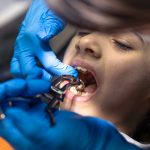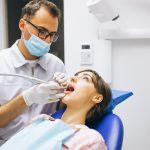
The words “oral surgery” can sound worrying, especially when you are not sure what the treatment involves. In many cases, oral surgery is planned to treat a specific problem with the teeth, gums, jaw, or mouth. A dental clinic in Sidney can explain what needs to be done and what to expect before treatment begins. Depending on the problem, oral surgery may involve removing a tooth, treating an infection, or addressing another dental concern that cannot be managed with simple treatment.
Knowing what happens before, during, and after surgery can make the process easier to understand and help you feel more prepared for your appointment.
What Happens Before Oral Surgery?
Before oral surgery in Sidney, an examination is usually needed. The condition of the tooth, gums, and surrounding area will be checked to understand what treatment is needed.
This may include:
- Looking closely at the affected area
- Taking dental X-rays when needed
- Asking about symptoms and medical history
- Discussing the medicines you take
- Explaining the treatment and recovery
The treatment plan depends on the type of surgery and your dental needs.
What Happens on the Day of Surgery?
On the day of treatment, the area is prepared before the surgery begins. Local freezing is commonly used to numb the area so you do not feel sharp pain during the treatment.
The exact steps depend on the type of surgery. For example, a tooth that is difficult to remove may require more careful steps than a tooth that can be removed easily.
A dental clinic near you can explain the expected steps before treatment so there are fewer surprises during the appointment.
What Types of Oral Surgery May Be Needed?
Not all oral surgery involves the same treatment. Some common examples include:
- Tooth removal: A tooth may need to be removed when it is badly damaged, infected, or cannot be saved.
- Wisdom tooth removal: A wisdom tooth may need to be removed if it is causing pain, infection, or other problems.
- Treatment of dental infections: Some infections may require surgical care when other treatments are not enough.
- Gum-related surgery: Certain gum problems may require a surgical approach.
The recommended treatment depends on the condition being treated.
Is Oral Surgery Painful?
During oral surgery in Sidney, local freezing is used to numb the treatment area. This helps reduce pain during the procedure.
Some soreness, swelling, or tenderness may occur after surgery. The amount of discomfort can vary depending on the type of treatment and the area treated.
Following the aftercare instructions can help support healing. Pain that becomes severe or worsens rather than improves should be reported to the dental team.
What Should You Do After Oral Surgery?
Recovery instructions can vary, but basic aftercare may include:
- Resting after the appointment
- Following instructions about food and drinks
- Keeping the mouth clean as advised
- Avoiding smoking during healing
- Taking recommended medicines as directed
- Avoiding activities that could disturb the treatment area
Healing time depends on the type of surgery and your overall dental health.
When Should You Contact a Dentist?
Some discomfort can be normal after surgery, but certain changes should be checked. Contact a dentist if there is severe pain, heavy bleeding, increasing swelling, fever, or another concern that does not seem to improve.
A dental assessment can help determine whether the symptoms are part of normal healing or need further care.
How Can You Prepare for Oral Surgery?
Before the appointment, make sure the dental team knows about your medicines, allergies, and relevant health conditions. Ask questions if any part of the treatment or aftercare is unclear.
Helpful questions may include:
- How long will the treatment take?
- What should be expected after surgery?
- When can normal eating resume?
- How long may healing take?
- What signs should lead to a follow-up visit?
Being prepared can make the appointment easier to manage.
Getting Ready for Your Treatment!
Oral surgery near you can involve different treatments, but knowing what to expect can make the experience easier to manage. An assessment can help explain why surgery is needed, what the treatment involves, and how to prepare for recovery.
Book an appointment with Sidney Harbour Dental to discuss your dental concern, understand your treatment options, and learn what to expect next.
FAQs
How long does oral surgery take?
The time depends on the type of surgery and the complexity of the treatment. Some procedures may be completed fairly quickly, while others may take longer.
Can oral surgery be done with local freezing?
Yes. Local freezing is commonly used for many types of dental surgery. Other forms of sedation or anesthesia may be considered in certain situations.
Can normal activities continue after oral surgery?
It depends on the treatment. Rest may be recommended immediately after surgery, and some activities may need to be limited while the area heals.
What can be eaten after oral surgery?
Soft foods are often easier to manage during the early part of recovery. The dental team can provide food and eating instructions based on the treatment.