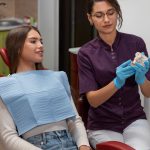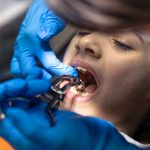

Teeth can become more crowded with age, even if they were straight earlier in life. You may notice that your front teeth overlap, gaps change, or that flossing becomes harder between certain teeth. These changes can occur for several reasons, including natural tooth movement, gum problems, or changes in how your teeth meet when you bite. A dental clinic in Sidney can examine your teeth and gums to help identify the cause of the crowding. Being over 50 does not automatically rule out Invisalign. Clear aligners may help move teeth into better positions when the teeth, gums, and supporting bone are healthy enough for treatment.
However, age alone does not determine whether aligners are suitable. The condition of your mouth, the amount of movement needed, and your dental health all matter.
Why Do Teeth Become More Crowded With Age?
Teeth can slowly shift throughout adulthood. Even a small change in tooth position may become more noticeable over the years.
Common reasons include:
- Natural tooth movement: Teeth can move gradually as you get older.
- Past orthodontic treatment: Teeth may shift if retainers are no longer worn as advised.
- Gum disease: Damage to the tissues and bone that support the teeth can cause them to loosen or move.
- Missing teeth: Nearby teeth may drift into a space.
- Changes in your bite: Uneven contact between teeth may affect how they fit together.
Crowding should not automatically be blamed on age. If the change happens quickly, or a tooth feels loose, arrange a dental assessment to check for gum disease or another problem.
Can Invisalign Work After Age 50?
Yes, Invisalign may be an option after 50 if the teeth and gums are healthy enough for tooth movement. Clear aligners use a series of removable trays to move teeth gradually into planned positions.
If you are considering Invisalign in Sidney, a dental checkup can help you determine whether aligners are right for you. They may help with mild to moderate crowding, but more complex cases may need braces or other treatment.
Age itself is not the main concern. Healthy gums, enough supporting bone, and good daily care are important for safe treatment.
What Should Be Checked Before Starting?
Before moving crowded teeth, it is important to check the health of the teeth and the tissues that support them. Existing dental problems may need treatment first.
An assessment may include:
- Checking for gum swelling, bleeding, or signs of gum disease.
- Looking for cavities, worn teeth, and old dental work that may need attention.
- Reviewing missing teeth and how the upper and lower teeth meet.
- Taking X-rays or digital scans when needed to plan treatment.
A dental clinic near you can help assess these concerns and explain whether Invisalign is suitable. If gum disease is present, treating and stabilising it may be necessary before orthodontic treatment begins.
What Are the Benefits and Limits of Invisalign?
Clear aligners can offer several practical benefits for adults who want to improve tooth alignment.
Possible benefits include:
- Clear trays that are less noticeable than traditional braces.
- Removable aligners for eating, brushing, and flossing.
- A planned series of trays to guide tooth movement.
- Fewer food restrictions because the trays are removed during meals.
However, aligners must be worn for the recommended daily time by the treating dentist or orthodontist, usually around 20–22 hours. Removing them too often can delay progress. Some tooth movements are also harder to achieve with aligners alone.
How Long Does Treatment Take After 50?
There is no set treatment time based on age. The length of treatment depends on how crowded the teeth are, how much movement is needed, and how consistently the aligners are worn.
Mild cases may take less time than complex cases, which can require many months or longer. Regular checkups help the dental team monitor progress and make changes if needed.
After treatment, retainers are important to help keep the teeth in their new positions. Teeth can shift again at any age, so follow the recommended retainer plan.
How Can You Care for Your Teeth During Treatment?
Good daily care helps protect your teeth and gums while using aligners.
- Brush twice a day with fluoride toothpaste.
- Clean between your teeth daily.
- Remove your aligners before eating or drinking anything except water.
- Clean your aligners as instructed.
- Go to your checkups and tell your dentist if you have pain, loose teeth, or changes in your gums.
If you are considering Invisalign in Sidney, ask about the results you can expect, what the treatment can fix, the cost, and whether you will need retainers afterward.
Give Your Smile a Fresh Start at Any Age
Changes in tooth alignment do not mean you have missed your chance to enjoy a straighter smile. The first step is to understand why your teeth have shifted and which treatment options suit your dental health. Sidney Harbour Dental can assess your teeth and gums, explain whether clear aligners may help, and guide you through the care needed to maintain your results. Book your appointment to explore your options, get answers to your questions, and take a clear, informed step toward a smile that feels comfortable and healthy.
FAQs
Is 50 too old to straighten crowded teeth?
No. Adults over 50 may be able to straighten their teeth if their gums, teeth, and supporting bone are healthy enough for treatment.
Can Invisalign fix teeth that have shifted after braces?
It may help correct some changes that happen after braces. The right option depends on how much the teeth have moved and whether the bite needs correction.
Can gum disease affect Invisalign treatment?
Yes. Gum disease can weaken the tissues and bone that support teeth. It usually needs to be treated and controlled before moving teeth.
Will Invisalign make loose teeth stronger?
No. Aligners move teeth; they do not repair the damage caused by gum disease. Loose teeth need a dental assessment before orthodontic treatment is considered.